
















Some food trends have swept the world by storm this year, creating a buzz worldwide as it went viral over social medias like Instagram among others. From cronuts to kale, these food crazes have traveled the world and reaching Lebanon. Unless you have been living under a rock without WiFi all year, you are surely aware of these foods.
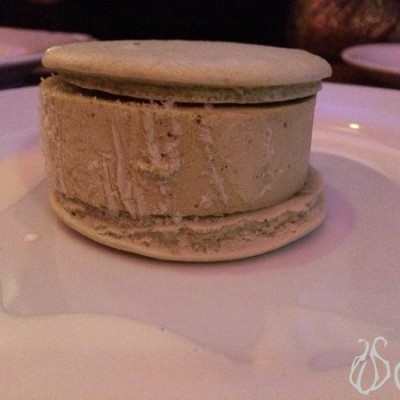
 Probably the most hyped food of all time,�the cronut�hit New York in�May 2013�and instantly became an�international sensation. We all know 2013 was the year of the cronut, but what's next? Can another food ever reach anywhere near the crazy hype that the cronut inspired? We seriously hope not!

The Cronut:
Probably the most hyped food of all time,�the cronut�hit New York in�May 2013�and instantly became an�international sensation. We all know 2013 was the year of the cronut, but what's next? Can another food ever reach anywhere near the crazy hype that the cronut inspired? We seriously hope not!
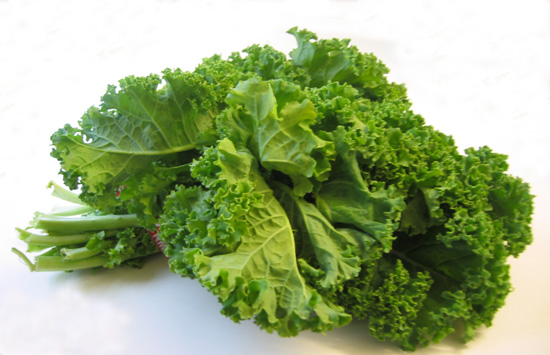
Kale:Kale's popularity has been soaring, but this year it exploded. Everybody was sharingkale recipes�and discussing the minutia of�perfecting the kale salad. The New York Times�debated kale's origin�and described it as an�enigma to the French, while Jim Gaffigan went on an�epic kale rant�and BuzzFeed claimed it was "destroying America."
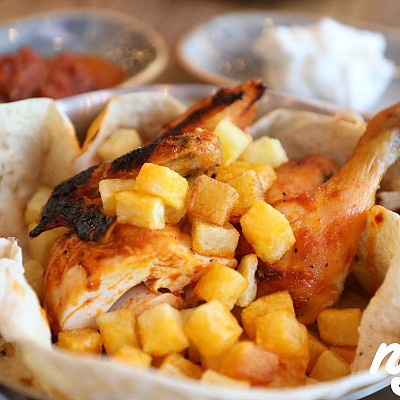
Patati Patata Burger:This is like nothing before� Really! Two roast potato patties crunchy on the outside and soft on the inside hosting a rich fried potato like vermicelli filled with meat, lettuce, tomatoes and pickles. If you want to taste something special, that is it. Beware of its oiliness and be prepared for it.
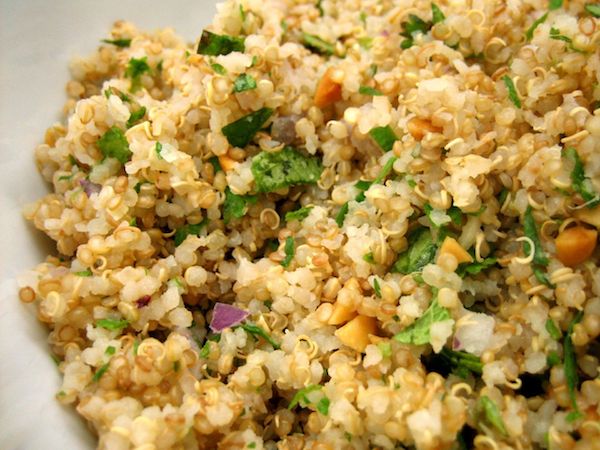
Quinoa:Quinoa, a species of�goosefoot,�is a grain-like�crop�grown primarily for its edible�seeds. It is a�pseudocereal�rather than a true�cereal, or grain, as it is not a member of the�true grass family. As a�chenopod, quinoa is closely related to species such as�beetroots,�spinach�and�tumbleweeds.�It is quite high in protein, lacks gluten, and is tolerant of dry soil.
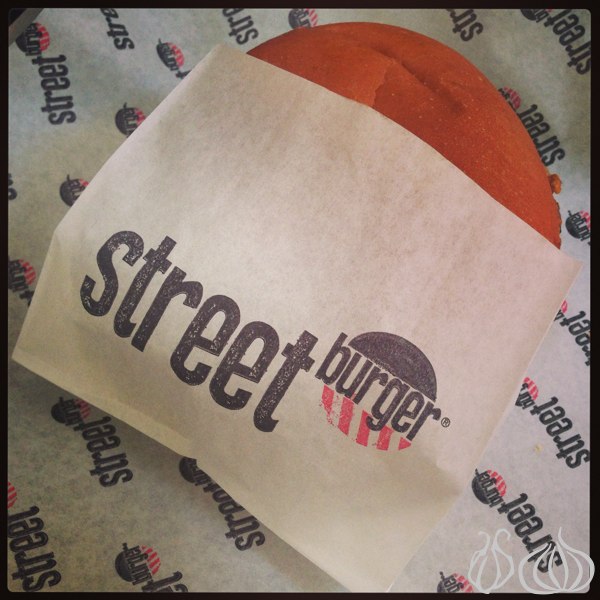
Street Food:Street food�is ready-to-eat food or drink sold in a street or other public place, such as a market or fair, by a�hawker or vendor, often from a portable�stall.�While some street foods are regional, many are not, having spread beyond their region of origin. Most street foods are also classed as both�finger food�and�fast food, and are cheaper on average than restaurant meals. According to a 2007 study from the�Food and Agriculture Organization, 2.5 billion people eat street food every day. Today, people may purchase street food for a number of reasons, such as to obtain reasonably priced and flavorful food in a sociable setting, to experience�ethnic�cuisines and also for nostalgia.�Historically, in places such as ancient Rome, street food was purchased because the urban poor did not have kitchens in their homes.
Bagels:
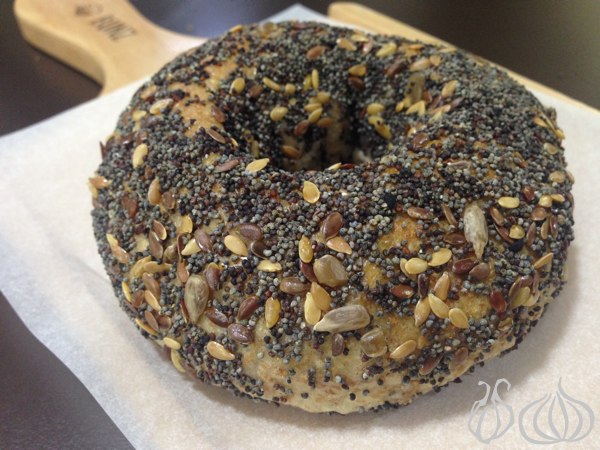
A�bagel is a�bread product, traditionally shaped by hand into the form of a ring from�yeasted�wheat�dough, roughly hand-sized, which is first boiled for a short time in water and then baked.�The result is a dense, chewy, doughy interior with a browned and sometimes crisp exterior. Bagels are often topped with seeds baked on the outer crust, with the traditional ones being�poppy�or�sesame�seeds. Some also may have�salt�sprinkled on their surface, and there are also a number of different dough types such as whole-grain or rye.
The basic roll-with-a-hole design is hundreds of years old and has other practical advantages besides providing for a more even cooking and baking of the dough: the hole could be used to thread string or dowels through groups of bagels, allowing for easier handling and transportation and more appealing seller displays.
Categories:
News